
Fabric Finishing

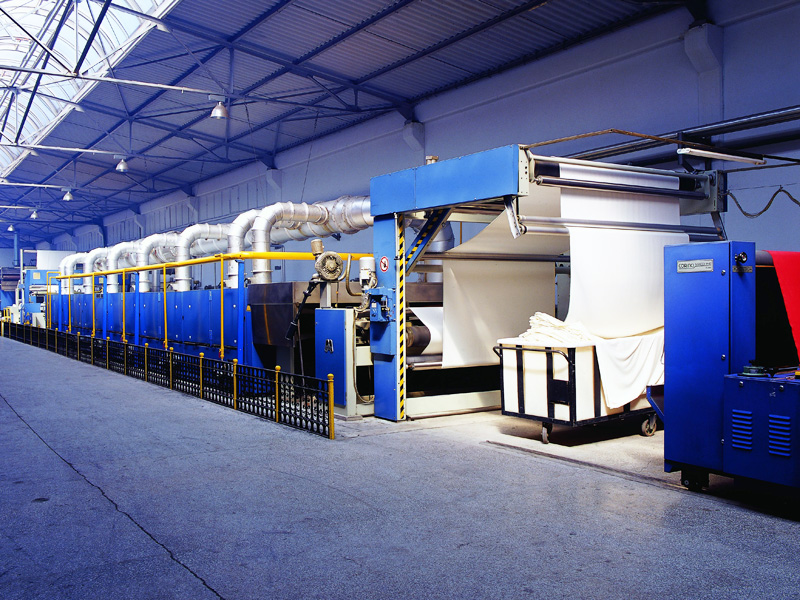
Fabric Finishing The processes performed after dyeing and printing to change the appearance, usage, and durability of textile fabrics are called Finishing.
Finishing applications are the final processes applied to textile materials after they undergo other treatments to enhance their properties. They are mostly applied to textile materials in fabric form. Considering the area of use of the fabric, contributions such as appeal and aesthetics are required. These contributions can be achieved through finishing applications. Fire and flames are frequently encountered in many work areas and decorative textiles.
For example, firefighters deal with flames, machine operators deal with welding and hot shavings, and entertainment venues such as cinemas and theaters frequently encounter cigarettes, candles, and hot electrical appliances. The textile materials used here must be resistant to the combustible materials they encounter. Easy and rapid ignition can cause very serious accidents. The flame retardancy feature ensures that accidents in such situations are mitigated. This feature, which is imparted to the fabric with this finish, is essential during the use of these fabrics.
To eliminate wrinkles and creases that often appear in fabrics made of cellulose and its blends during use, a wrinkle-resistant finish is applied. When the wrinkling and creasing of the pants and skirts we wear is minimized, we feel better when wearing our clothes.
For this purpose, the finishing treatments we apply cause negative changes in the fabric's texture. Since different texture characteristics are also desired in these fabrics, we must apply a setting finish alongside the wrinkle-resistant finish.

